
The bizSAFE Reality for SMEs: Why Risk Assessments Are Worth the Effort
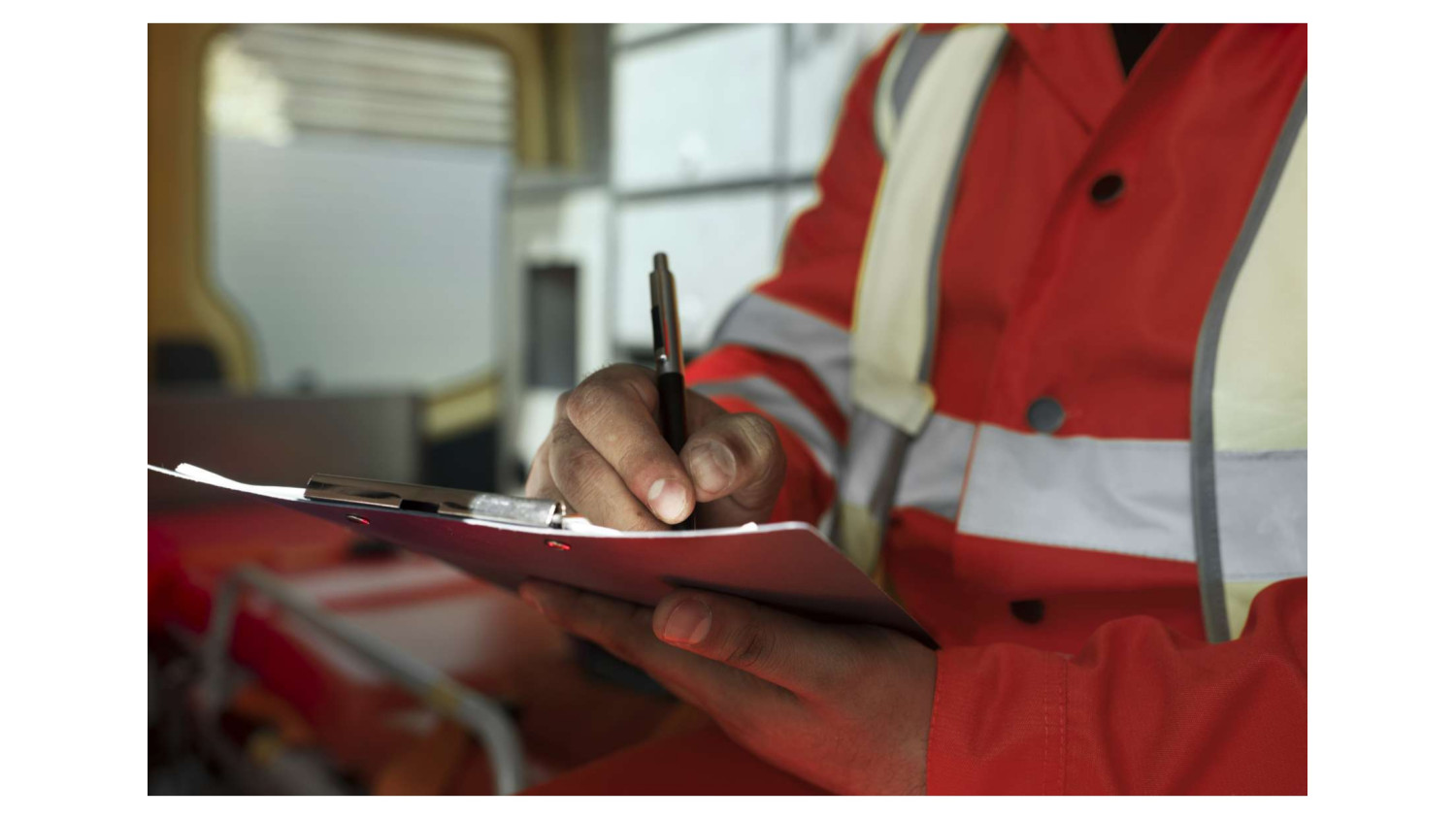
Why Risk Assessments Matter
A risk assessment is a structured process that helps organisations:
- Identify workplace hazards
- Evaluate how likely and severe the risks are
- Implement measures to eliminate or control those risks
Under the WSH (Risk Management) Regulations, all employers in Singapore must carry out and document risk assessments for work activities. RAs are not just legal obligations—they are tools to protect workers, prevent incidents and build a culture of care and accountability.
The Reality for SMEs: Challenges on the Ground
Many small and medium-sized enterprises (SMEs) in Singapore recognise the importance of workplace safety, but still encounter practical challenges when it comes to implementing structured safety systems like risk assessments and bizSAFE requirements.
Common Challenges Faced by SMEs:
- Limited Resources
Smaller companies may not have dedicated WSH personnel or the budget to hire external safety consultants, making it difficult to maintain a structured approach to safety. - Knowledge Gaps
Business owners, supervisors or team leads may lack the technical knowledge to properly identify hazards or develop compliant risk assessment documents. - Reactive Safety Culture
In some cases, safety only becomes a priority after an incident occurs. Without a proactive mindset, preventable risks remain unaddressed in day-to-day operations.
Why Risk Assessments Are Worth Doing Right
When approached correctly, risk assessments offer real benefits beyond compliance:
- Prevent workplace injuries and downtime
- Meet client and regulatory expectations, especially for bizSAFE Level 3 and NEA licensing
- Improve staff morale and confidence in a safer working environment
- Strengthen your business reputation during tenders or audits
In sectors like cleaning, logistics, and construction, clients are increasingly favouring vendors that prioritise safety and are bizSAFE-certified.
How SMEs Can Get Started
- Use free industry templates from the WSH Council at www.tal.sg/wshc
- Appoint at least one supervisor to attend bizSAFE Level 2 (Risk Management) training
- Engage a WSH consultant to guide you through your first risk assessment, if needed
- Treat your RA as a working document—update it whenever processes, tools, or manpower changes
Final Thought
Being an SME does not mean safety should take a backseat. In fact, smaller teams and lean operations make it even more important to plan ahead, protect your people, and stay compliant.
bizSAFE begins with risk assessment—and risk assessment begins with leadership.
Start strong, stay proactive, and build a workplace where safety is integrated into every process.
Need help preparing your RA or achieving bizSAFE Level 3?
Let us guide you through it—step by step.