
Cleaning Safety: Keeping Workers Safe, Seen and Supported
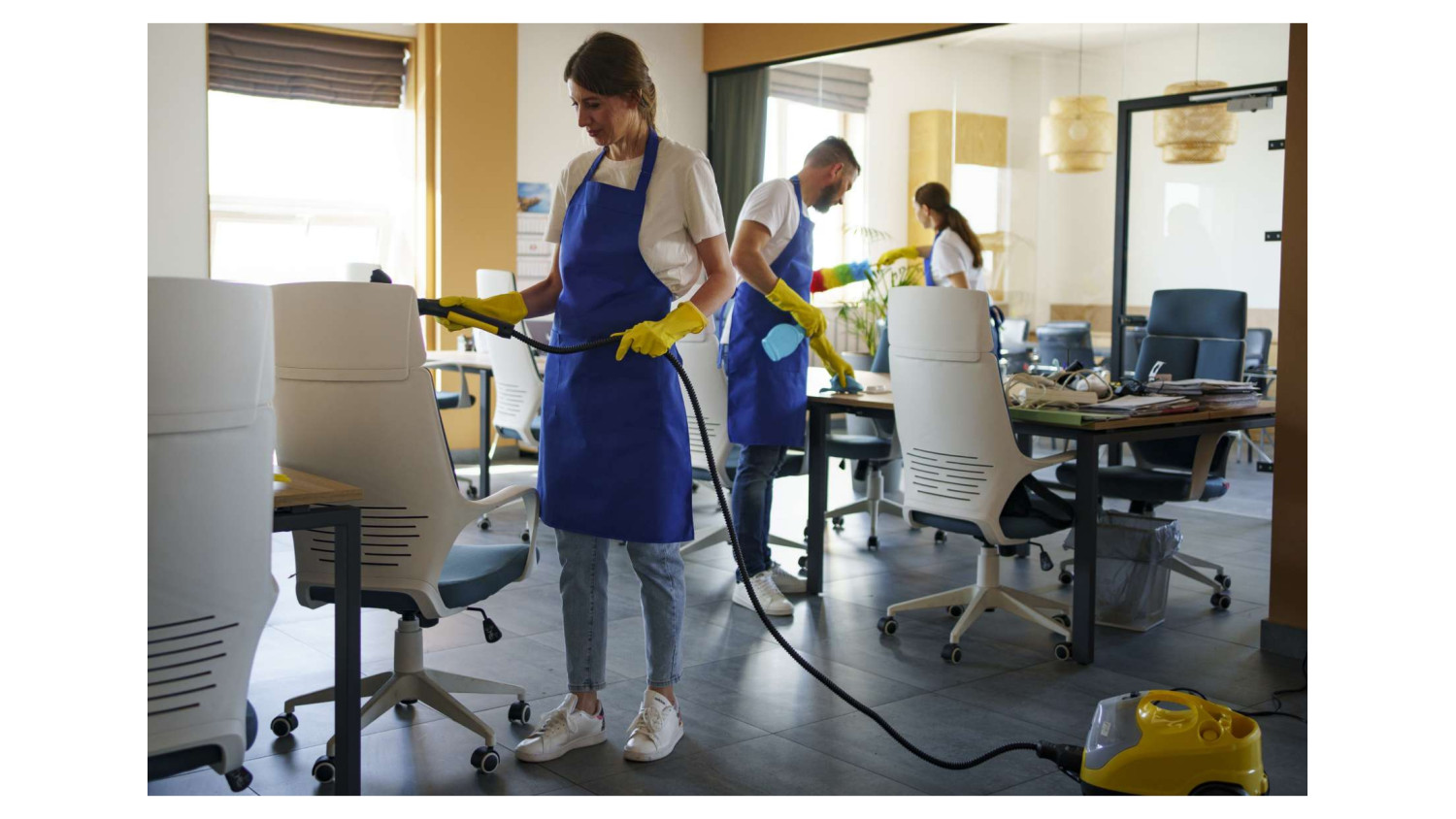
Common Cleaning Activities & Their Safety Risks
1. Wet Mopping & Floor Cleaning
- Risks: Slips and trips, back strain from repetitive motion or poor posture
- Safety Measures:
- Use “Wet Floor” signage in all cleaning areas
- Wear non-slip safety shoes
- Choose ergonomic mop handles and wringers to reduce bending and strain
2. Toilet & Washroom Cleaning
- Risks: Exposure to germs and harsh disinfectants, skin and eye irritation
- Safety Measures:
- Use gloves, goggles, masks and aprons
- Ensure proper ventilation
- Avoid mixing chemicals (e.g. bleach + ammonia)
3. High Dusting & Ceiling Cleaning
- Risks: Falls from height, inhalation of dust or allergens
- Safety Measures:
- Use extendable poles to reduce the need for ladders
- If ladders are required, ensure they are stable and supervised
- Use masks and eye protection
4. Waste Disposal & Bin Clearing
- Risks: Cuts from sharp waste, biohazards, heavy lifting injuries
- Safety Measures:
- Use puncture-resistant gloves and proper waste segregation
- Lift bins with correct technique or use trolleys
- Avoid overfilling bags
5. Chemical Handling
- Risks: Chemical burns, toxic fumes, spills
- Safety Measures:
- Always read and follow instructions and Safety Data Sheets (SDS)
- Use measured dilution bottles to prevent overuse
- Store chemicals away from heat and sunlight
6. Use of Cleaning Machineries (e.g. auto scrubbers, vacuums)
- Risks: Electrical shock, cord tripping, improper use injuries
- Safety Measures:
- Inspect equipment before use
- Avoid tangled cords and block off cleaning areas
- Train workers in proper handling and emergency shutdown
Mental Health: The Hidden Side of Cleaning Safety
Beyond physical risks, cleaners often work long hours, underappreciated and in stressful environments. This can lead to fatigue, anxiety or burnout—especially for older workers or those working alone in large facilities.
Common Stressors:
- Irregular hours or split shifts
- Language barriers and communication gaps
- High workloads during outbreaks or peak seasons
- Minimal social interaction or feedback from supervisors
Supporting Cleaner Well-Being:
Employers and site managers should:
- Provide scheduled breaks and fair workload distribution
- Create open communication channels for feedback and concerns
- Offer mental wellness talks or brief check-ins during toolbox meetings
- Recognise and appreciate cleaners as essential frontline workers
- Ensure supervisors are trained to spot signs of mental distress
Final Thought
A safe and healthy cleaner is a more productive, confident and valued team member. Cleaning safety is not just about checklists and PPE. It is about building a culture where risks are reduced, well-being is prioritised and cleaners feel seen and supported.
If your organisation relies on cleaning teams, whether in-house or outsourced, it is time to ensure they are protected with both the tools and the respect they deserve.
Need help implementing WSH-safe cleaning procedures or training your staff? Contact us today to customise a programme that meets both compliance and care